
Scaling Retail Pop Up Shop Activations: 2026 Guide
Table of Contents
Why Scaling Retail Pop Up Shop Activations Breaks Most Rollouts
Planning a Multi-Location Pop Up Shop Rollout
Designing Modular Retail Displays That Travel Well
Pop-Up Store Technology That Earns Its Space
How to Measure Pop-Up Shop ROI Across Markets
Common Failure Points When Scaling Retail Pop Up Shop Activations
Conclusion
Frequently Asked Questions
Last Updated: October 17, 2026
Why Scaling Retail Pop Up Shop Activations Breaks Most Rollouts
A single pop up shop is a project. Ten of them is an operating system, and most brands never build one. This guide from Breakthrough Productions covers how to scale retail pop up shop activations without losing margin, timeline control, or brand consistency market to market.
The pattern is predictable. A brand opens one temporary store, it performs, leadership approves a national run, and suddenly the team is rebuilding the same fixture package from scratch in six cities. Freight balloons. Installation crews improvise. The tenth market looks nothing like the first.
Scaling retail pop up shop activations is the practice of turning a one-off temporary retail build into a repeatable program with standardized fixtures, documented install procedures, shared logistics, and consistent measurement across every location.
That definition matters because it reframes the work. You are not opening more stores. You are building a machine that opens stores. Below, we break down planning, modular design, technology, ROI measurement, and the failure points that sink multi-market rollouts. But first, here is what most guides get wrong: they treat scale as a creative problem when it is almost entirely a logistics and engineering problem.
Watch Out The most common scaling mistake is commissioning a beautiful one-off build, then assuming it can be duplicated. Custom millwork that fits one venue rarely fits the next. Design for duplication from day one or budget for a redesign.
Planning a Multi-Location Pop Up Shop Rollout
Start with the venue matrix, not the creative. Before anyone sketches a fixture, list every market you intend to enter with its square footage, ceiling height, load-in access, freight elevator dimensions, power availability, and fire code requirements. That single spreadsheet determines what your pop up shop can physically be.
A multi-location pop up shop rollout is a logistics program disguised as a marketing campaign. The brands that scale well sequence markets in clusters so freight and labor can be shared, and they hold one market as a pilot before committing to the rest.
Build a venue matrix before design begins
Run one pilot market and document everything
Cluster nearby markets to reduce freight and crew travel
Lock installation windows with each venue in writing
Assign one production partner accountable for the whole program
That last point carries more weight than it looks. Fragmented vendors are where rollouts quietly die. When fabrication, crating, freight, and install sit with four different companies, nobody owns the outcome. Breakthrough Productions runs pop-up and shop-in-shop programs as a single accountable build, shipping from one production facility so the tenth market matches the first.
Designing Modular Retail Displays That Travel Well
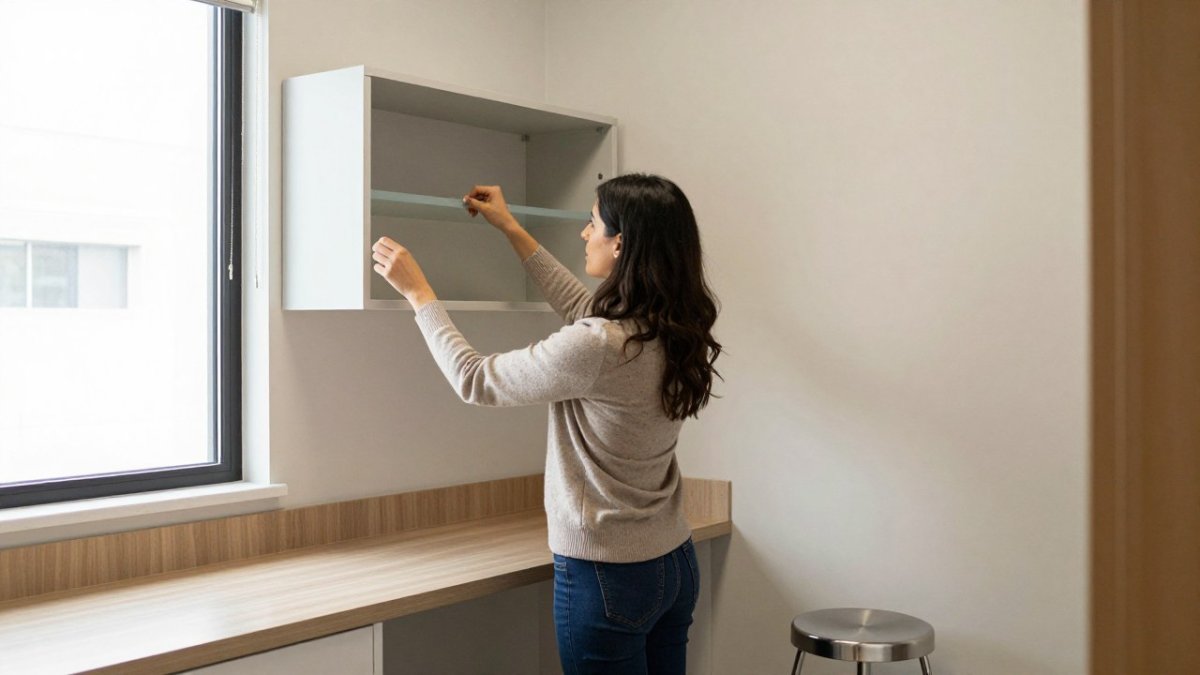
Modular retail displays are fixture systems built from standardized, interchangeable components that assemble, disassemble, and ship repeatedly without losing structural integrity or finish quality. The design goal is simple: a fixture that survives a loading dock as well as it survives a photo shoot.

Three engineering decisions separate displays that travel well from displays that arrive damaged:
Knock-down construction. Fixtures break into flat, stackable components with labeled connections. No glued assemblies that cannot be repaired on site.
Reusable crates. Purpose-built crates with foam blocking protect finishes and speed repacking. Cardboard does neither.
Tool-light assembly. If install requires more than basic hand tools and a documented sequence, your labor costs and error rates climb in every market.
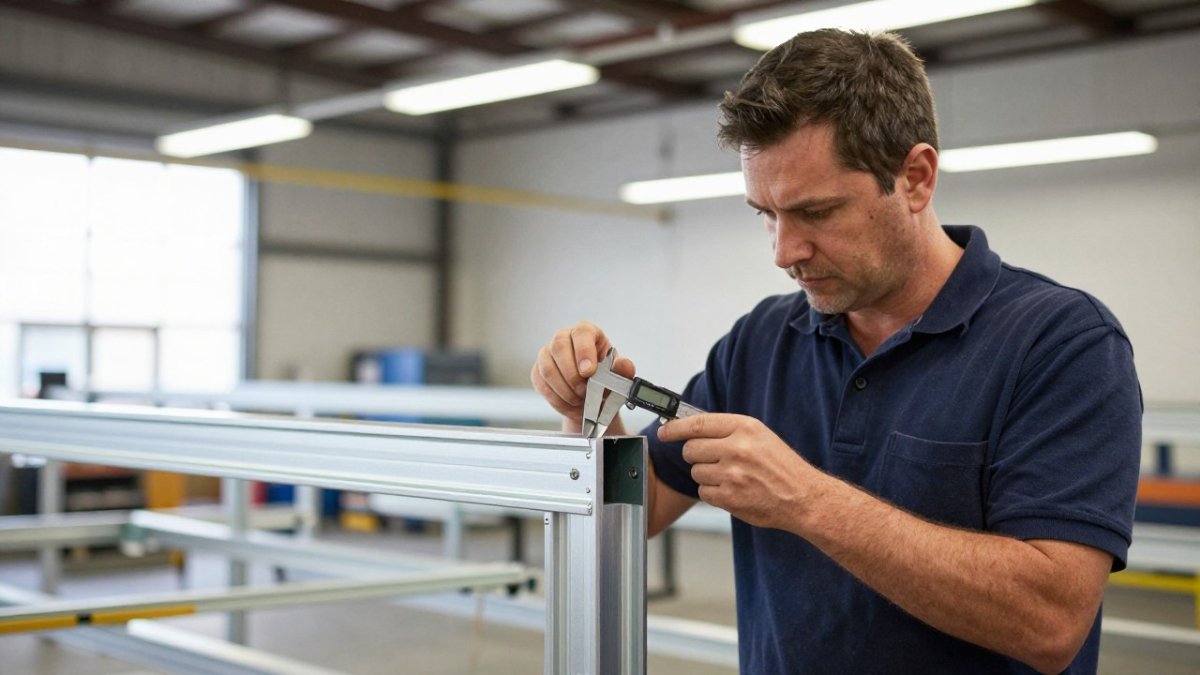
Materials matter here too. High-pressure laminate and powder-coated aluminum hold up to repeated handling better than painted MDF, which chips at corners after two or three cycles. Specify finishes for the fifth install, not the first.
Pro Tip Number every component and photograph the assembled fixture from multiple angles during the pilot. That photo set becomes the install manual for every subsequent market, and it cuts setup time and on-site confusion dramatically.
Pop-Up Store Technology That Earns Its Space
Pop-up store technology should earn its square footage. Every screen, sensor, and interactive element in a temporary retail build consumes space, power, install time, and budget, so the test is whether it produces a measurable business result.
The technology that scales cleanly tends to be boring: reliable power distribution, networked point-of-sale, digital signage that updates remotely, and traffic or dwell sensors that report back to a dashboard. The technology that causes trouble is anything requiring on-site customization in each market.
Ask three questions before specifying any tech:
Can a local crew install it from a written procedure?
Can it be updated remotely by the marketing team?
Does it survive being crated and shipped repeatedly?
If any answer is no, the element probably belongs in a flagship location, not a rolling program.
How to Measure Pop-Up Shop ROI Across Markets
Pop-up shop ROI is the return generated by a temporary retail location measured against its fully loaded cost, including design, fabrication, freight, labor, installation, venue fees, and staffing. Comparing markets on revenue alone hides the real story, because a high-revenue market with brutal drayage and labor costs can underperform a smaller, cleaner build.
Measure these across every location so the program improves with each cycle:
Metric | What It Tells You | Why It Matters at Scale |
Sales per square foot | Revenue efficiency of the footprint | Reveals whether fixture layout works |
Cost per install hour | Labor and logistics efficiency | Flags venues with hidden access problems |
Foot traffic and dwell time | Engagement quality | Shows whether displays stop people |
Capture rate | Visitors who transact | Separates traffic problems from conversion problems |
Content and social output | Earned media value | Justifies program spend beyond direct sales |
Reuse cycles per fixture | Asset longevity | Drives the case for modular investment |
The honest caveat: attribution is imperfect. A pop up shop influences awareness and future purchase in ways a single-market P&L will not capture. Present both direct results and leading indicators to leadership, and be clear about which is which.
Common Failure Points When Scaling Retail Pop Up Shop Activations
Most failures trace back to decisions made before the first build. The five that appear most often:
Designing for the render, not the venue. Fixtures that ignore freight elevator dimensions or ceiling heights fail on install day.
Underestimating drayage and labor. Material handling at venues is frequently the largest hidden line item in a rollout.
No documentation. Without numbered parts and photo manuals, every install reinvents the process.
Skipping the pilot. Committing to ten markets before testing one multiplies every mistake by ten.
Disconnected vendors. When fabrication and install sit with different companies, accountability disappears.
Key Takeaway The brands that scale pop up shop programs successfully treat the first market as a prototype, not a launch. They document, refine, and only then replicate. Speed comes from repetition, not from skipping steps.
Conclusion
Scaling a pop up shop program across markets is a test of engineering discipline as much as creative ambition. The brands that get it right build modular systems, document everything, and keep one accountable partner from design through installation.
That is the work we do at Breakthrough Productions. We design, fabricate, ship, and install pop-up and shop-in-shop programs nationwide from our North Carolina production facility, with full 3D visualization of timelines before a single cut is made and one team owning the project from concept to teardown.
Have a rendering, a budget, or just an objective for your next multi-market rollout? Send it over and we will tell you exactly how to build it, ship it, and install it.
Frequently Asked Questions
How do you scale a pop-up shop activation across multiple locations?
Start with a modular kit of parts rather than a one-off build. Standardize the footprint, wall system, and fixtures so each location assembles from the same crates, then vary only signage and local graphics. Build a rollout calendar with venue load-in windows, freight routing, and a shared install crew. Document assembly with photos and a checklist so each market runs the same way. One pop up shop kit can then serve five cities without five separate builds.
How do you measure the ROI of a pop-up shop?
Track sales per square foot, foot traffic, conversion rate, average transaction, and email or loyalty signups captured on site. Compare each market against a baseline, whether that is a nearby permanent store, an e-commerce forecast, or a prior activation. Include the full cost side: fabrication, freight, labor, rent, and storage. Pop-up shop ROI becomes clear when revenue and captured leads are measured against total program cost, not just the build.
How can a pop up shop design be reused in different locations?
Design for disassembly from day one. Use bolted or pinned connections instead of glued or welded joints, label every crate by zone, and keep fixtures under a size that one or two people can lift. Choose finishes that survive repeated handling, such as laminate, powder-coated metal, and printed rigid panels rather than vinyl wraps. Store the kit in a climate-controlled space and inspect it after each stop so damage is fixed before the next install.
How long does it take to plan and build a retail pop up shop activation?
A single location typically needs eight to twelve weeks from approved design to open, depending on fabrication complexity and permitting. A multi-location rollout adds time for venue contracts, freight scheduling, and crew planning, so plan twelve to sixteen weeks for the first wave. Reusing a proven modular kit cuts later waves to a few weeks per market. Starting with a finished rendering or clear budget shortens the front end considerably.
What should brands consider when choosing locations for pop-up shops?
Match the market to the goal. A product launch needs high-foot-traffic retail or event space, while a test-market pop-up may work better in a smaller footprint with lower rent. Check load-in access, freight elevator size, power, and venue rules before signing. Confirm the lease allows the install method you plan. For a multi-location pop-up shop program, prioritize cities where you already have customer data or a permanent retail presence to build on.
How do you keep a multi-location pop-up activation consistent?
Consistency comes from documentation and a single source of truth. Produce an install bible with photos, torque specs, and a crate map. Train one lead installer who travels to the first stops and certifies local crews. Standardize signage, lighting temperature, and fixture placement, then allow local graphics to flex. Run a photo audit after each install so every market matches the approved look before doors open.
LET'S START SOMETHING AMAZING

Comments